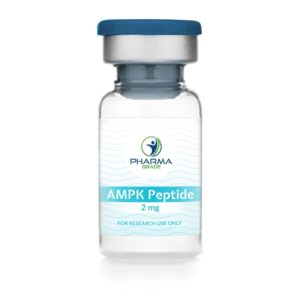
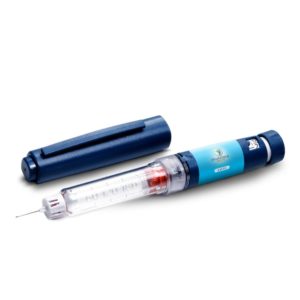
AMPK peptides and small molecule modulators differ primarily in their mechanisms and applications. Small molecules typically activate AMPK by binding to regulatory sites, indirectly influencing its activity. In contrast, peptides often mimic natural protein interactions, directly engaging with AMPK-related pathways for activation.
Peptides are highly selective, designed to mimic natural sequences, which reduces off-target effects. Small molecules, while effective, may interact with multiple pathways, increasing the potential for unintended side effects. This makes peptides a more precise option in certain therapeutic contexts.
In terms of stability and delivery, small molecules are more convenient, often administered orally and remaining stable in the body. Peptides, however, are less stable and usually require injections, which can limit their practicality. Additionally, peptides degrade quickly, minimizing tissue accumulation, whereas small molecules may persist longer, offering both advantages and challenges depending on the situation. Both approaches have unique strengths, tailored to different therapeutic needs.
How is the AMARA substrate peptide related to AMPK activity?
The AMARA substrate peptide is closely related to AMPK activity as it serves as a specific substrate for measuring AMPK’s enzymatic function. AMPK phosphorylates the AMARA peptide at a specific serine residue, making it a useful tool in biochemical assays to assess AMPK activity. Studies have shown that the AMARA peptide is highly effective as a substrate for purified AMPK, with its phosphorylation rates often exceeding those of other peptides like the SAMS peptide.
This peptide is commonly used in research to evaluate AMPK’s role in various metabolic processes, as its phosphorylation directly reflects AMPK’s activation state. By monitoring the conversion of AMARA peptide, researchers can quantify AMPK activity under different experimental conditions, such as varying energy states or in response to activators and inhibitors.